
Merriam-Webster defines root canal therapy as a dental procedure that saves a tooth by clearing and filling the canal. Dentists use several names for it, and it is also known as endodontic therapy or endodontic treatment. Shirley Santos DMD Inc. explains these terms so you can ask clear questions and seek care sooner.
Root Canal Therapy
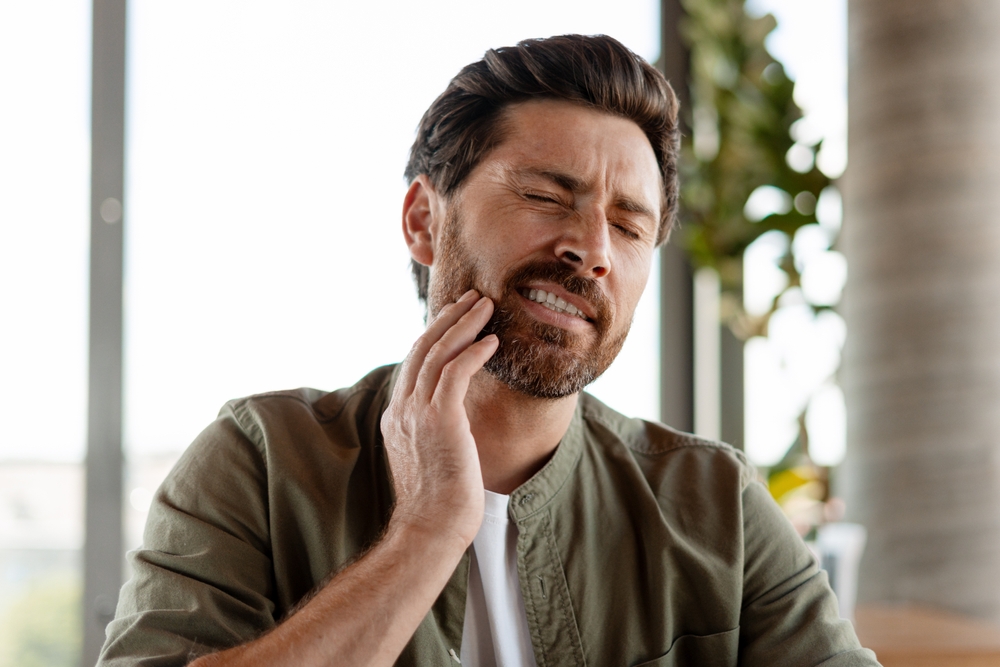

Meet Dr. Shirley Santos
Dr. Shirley Santos, DMD, has provided dental care in Tustin, CA since 2011. She also serves patients from Irvine, Santa Ana, and Garden Grove. Dr. Santos graduated from the University of the East in Manila, Philippines, in 1999. She has over 20 years of dental experience. She is a member of the American Dental Association and the California Dental Association. Her philosophy centers on preventive care and treatment recommendations based on actual clinical need. She listens to patient concerns, explains options clearly, and makes sure each person understands the plan before treatment begins. Dr. Santos also continues her education to maintain high-quality care. She values faith, family, and community.
Conditions, Symptoms, and Pain Associated with Root Canal Treatment
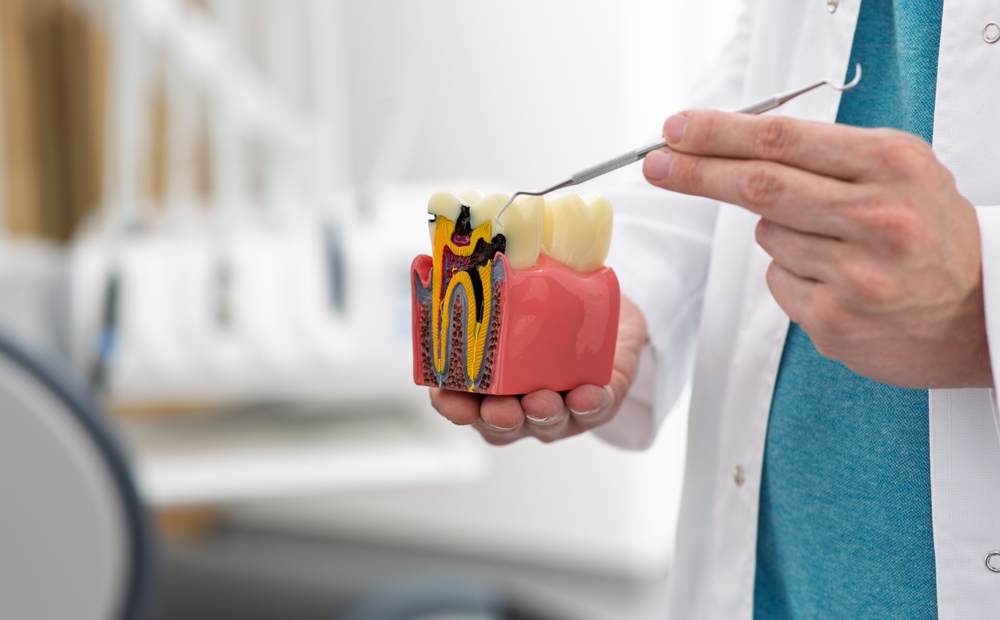
A root canal treats damage or infection in the pulp, the tooth’s soft center. CDC data show that 27% of adults aged 20 to 64 have pulp damage. The pulp holds the nerves and blood vessels, so damage there can cause lasting pain. Treatment aims to save the tooth and stop the infection.
Common Causes of Pulp Damage
Several problems can reach the pulp. These are the most common:
- Deep decay that went untreated
- A cracked or fractured tooth
- Repeated dental work on the same tooth
- A dental abscess near the root
Decay wears through enamel and the layer below it. Cracks can open a hidden route to the nerve. Each cause lets bacteria reach the pulp, so early treatment protects it.
Recognizing the Problem
Many tooth problems start quietly, so small changes matter.
Knowing the early signs helps you act calmly and early.
Symptoms You May Notice
These signs deserve a closer look:
- Pain that lingers after hot or cold food
- A tooth that looks darker than before
- A small bump on the gum near the tooth
- Tenderness around one tooth
A tooth with nerve damage can even stop hurting, which may make you think the problem went away. Each tooth reacts differently, so no single sign tells the whole story.
How Dentists Find Hidden Problems
A dentist starts with Digital X-Rays to see how far decay or infection has spread. Some problems need a closer view, which the imaging section below explains.
Apical periodontitis is an inflammation at the root tip. A meta-analysis found a pooled prevalence of 0.519. Dentists see it often, and treatment options exist.
When Should You Seek a Professional?
Dental pulp infections do not clear up on their own. Waiting can let the problem spread to nearby teeth or bones.
Tooth pain needs attention. The American Association of Endodontists advises you to take care of it as soon as possible.
Consider a professional visit if you notice any of these:
- Severe pain that starts without a trigger
- Swelling in your gums, cheek, or face
- A tooth that no longer reacts to hot or cold
- Pain when you bite down
- A tooth injury, even if it looks fine
Some signs need urgent care. Swelling that spreads, a fever, or trouble swallowing or breathing needs same-day medical attention.
3D CBCT Imaging for Precise Planning can also help a clinician check for a second infection before treatment. Seeing a professional early gives you clear answers and more treatment choices.
Dental Care and Imaging for Pulp Problems
Dentists treat pulp problems with root canal treatment and use imaging to plan and monitor the work. The two sections below explain each part in plain terms.
Prevention and Hygiene Education
Prevention has two goals: stopping decay and avoiding cracks. Daily habits and regular visits support both.
Daily Home Care
Simple habits protect your teeth every day:
- Brush twice daily with an ADA-accepted fluoride toothpaste and floss once a day.
- Limit sugary snacks and drinks between meals.
- Avoid chewing ice or hard objects that can crack teeth.
- Wear a sports mouthguard during contact sports.
Fluoride helps protect enamel from the acids that cause cavities.
Protecting Teeth from Cracks and Grinding
Some risks need more than home care. Professional visits lower them:
- Attend routine dental checkups so a clinician can catch cavities early, before they reach the pulp.
- Schedule professional cleanings to remove hardened deposits that home care cannot reach.
Night grinding adds steady pressure that can crack enamel. An Occlusal Guard worn during sleep reduces that pressure.
Popular Home Remedies for Tooth Pain
Many people try home remedies before calling a dentist. One survey concluded that acute dental pain and self-medication were found to be common in its group during the COVID-19 lockdown.
Common Remedies People Try
These remedies come up most often:
- Clove oil, which contains eugenol and has long served as a topical dental pain reliever
- Saltwater rinses, used to reduce mouth bacteria and soothe irritated gums
- Over-the-counter pain relievers, used for pain and swelling
- Cold compresses on the cheek, used to calm swelling
Saltwater rinses and cold compresses carry little risk. Undiluted clove oil can irritate gums, so ask a dentist or pharmacist before using it.
Why Remedies Only Help Briefly
These steps may ease pain temporarily, but they don’t treat the infection or the damage behind it. Stopping the problem usually takes a Composite Filling or other professional treatment.
Pain that returns after a remedy wears off signals that the cause remains.
What the Research Says
Research indicates that eugenol, a compound in clove oil, shows antimicrobial, anti-inflammatory, analgesic, and antioxidant activity. These properties may offer brief relief from dental pain.
Eugenol also appears in some dental materials used during root canal procedures. That use happens in a controlled clinical setting, not at home.
The concern is timing, not the ingredient. Relying on remedies for too long can hide symptoms while the infection grows. A larger infection can turn a simple root canal into a more involved procedure.
Cost and Insurance
Treatment often costs less than extraction plus a dental bridge, a single-tooth implant, or an implant restoration. Most dental insurance plans cover part of endodontic care, which can lower your out-of-pocket costs.
Industry Average Pricing
These are industry averages for the United States and serve as general references only.
In 2026, a national dental insurer listed the average out-of-network cost for a root canal by tooth type. The amounts below do not include the final restoration.
- Front tooth: approximately $1,200
- Premolar: approximately $1,300
- Molar: approximately $1,500
These numbers do not reflect the pricing at any specific dental office. Actual costs vary with location, case complexity, and the treating provider. Contact the team directly to verify exact rates and what your specific plan may cover.

FAQs
How long does a root canal take?
Each visit lasts about 90 minutes, according to the American Association of Endodontists. Many cases finish in a single appointment, and some need a second visit. Your regular dentist adds the final crown or filling at a later visit. Ask your dentist how many visits your tooth needs and when to book each one.
How much does a root canal cost?
The cost depends on which tooth needs treatment and how complex the problem is. Molars usually cost more because they are harder to treat. The final crown or filling adds a separate fee. The Industry Average Pricing section above lists general figures, and your dental team can give an exact estimate.
Do root canals hurt?
Most people feel comfortable during a root canal because the dentist numbs the area first. Many procedures relieve toothache pain caused by infection. Most patients say it feels similar to a routine filling. If you feel nervous, ask your dental team about numbing and sedation options before your visit.
Are root canals sore?
Yes, mild soreness after a root canal is normal and usually short-lived. You may feel tenderness for a few days as the tooth heals. Over-the-counter medicine usually helps, and jaw soreness comes from holding your mouth open. Call your dentist if pain is severe, lasts more than a few days, or your bite feels uneven.
Can you eat after a root canal?
Yes, but wait until the numbness wears off so you do not bite your cheek or tongue. Choose soft foods like yogurt, eggs, or applesauce until your dentist restores the tooth. Dentists advise against chewing hard foods on the treated tooth until they approve. Brush and floss as usual, but stay gentle around the treated tooth.

