Preventive dentistry is the branch of dental care that prevents disease and protects oral health. Alfred Fones trained the first hygienist to give preventive care to children in the early 1900s. Shirley Santos DMD Inc. explains why routine visits matter, even when your mouth feels fine.
Preventive Dentistry
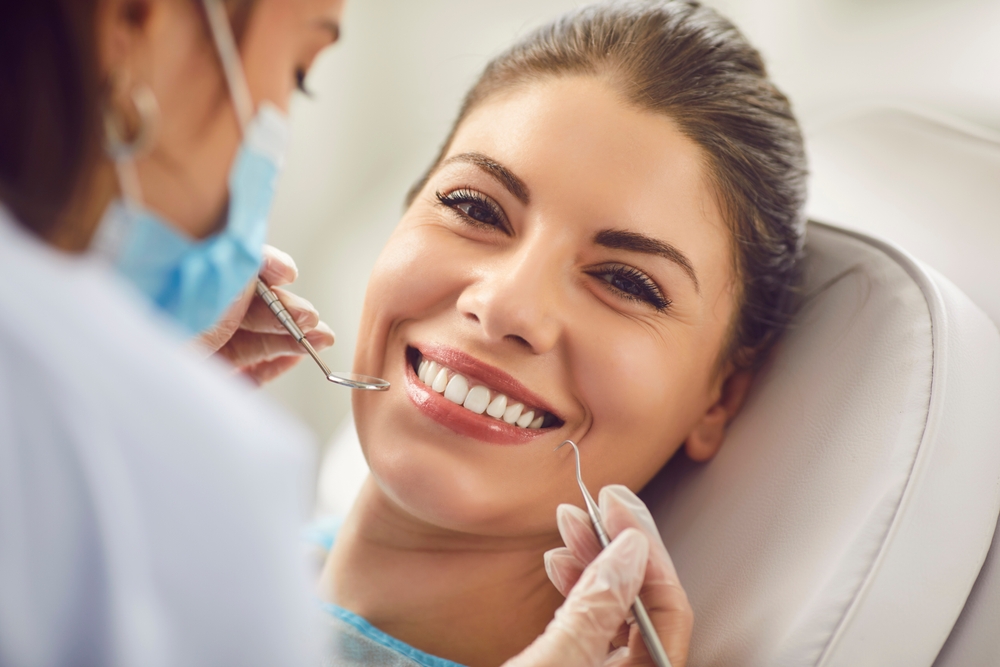

Meet Dr. Shirley Santos
Dr. Shirley Santos, DMD, earned her dental degree from the University of the East in Manila, Philippines, in 1999. She has practiced in the Tustin, California area since 2011 and owns her practice. Dr. Santos has more than 20 years of dental experience and built her career in the Tustin and Irvine area. She is passionate about preventive care and keeps up with continuing education.
She takes time to listen to your concerns and explains your options clearly. She recommends only what you truly need and wants you to understand your exam findings before you decide. Dr. Santos is a member of the American Dental Association and the California Dental Association. She serves people in Tustin, Irvine, Santa Ana, and Garden Grove.
Conditions, Symptoms, and Pain
Preventive care addresses common oral health problems, including tooth decay, gum disease, jaw grinding, sports-related dental injuries, and sleep-disordered breathing. These conditions often develop slowly, and many people notice no symptoms until the problem has progressed. Checkups, cleanings, digital X-rays, and protective appliances each play a specific role in catching and managing these issues early. Untreated decay is common, since about one in five U.S. adults aged 20–64 has at least one untreated cavity.
Recognizing the Problem
You may not notice early problems, and that is common. Early gum inflammation, for example, often causes no discomfort. The signs below may point to early decay, gum inflammation, grinding, or breathing problems during sleep.
Signs in the Tooth
- Sensitivity when you eat or drink something cold
- Edges that look flatter or more worn than before
- Food that keeps catching between the same two teeth
Signs in Your Gums and Jaw
- Slight puffiness or redness along the gumline
- Bleeding when you brush or floss
- A sore jaw when you wake up
Signs While You Sleep
- Snoring that has grown louder over time
- Waking up with a dry mouth or a headache
- A partner who hears grinding at night
When Should You Seek a Professional?
A seemingly minor sign still deserves a quick look. Your dentist can explain what the change means.
Routine Visit Timing
Dentists have traditionally recommended checkups and professional cleanings about every six months, even when you have no symptoms. People at higher risk of dental problems may need more frequent checkups.
Signs That Call for an Earlier Visit
Schedule a visit outside your regular cycle if any sign above:
- Lasts more than a few days
- Keeps coming back
- Gets stronger over time
- Disrupts your sleep or your eating
Signs That Need Urgent Care
Swelling, severe pain, a chipped or loose tooth, or a knocked-out tooth needs immediate attention. Do not wait for a regular visit.
Prevention and Hygiene Education
Prevention works best when daily habits and professional care work together. Your routine controls the plaque you can reach. Your dental team handles the rest at each visit.
Daily Habits Between Visits
These habits protect your teeth and gums:
- Brush twice a day for two minutes with fluoride toothpaste
- Floss once a day to clean between your teeth
- Limit sugary snacks and drinks
- Avoid tobacco in any form
- Wear your mouthguard or night guard as directed
Public health guidance notes that visiting the dentist and practicing good dental habits can prevent common oral diseases.
Popular Home Remedies
Many people try pharmacy products or tips from friends and online sources.
Common At-Home Options
- Oil pulling, which means swishing oil in your mouth
- Store-bought night guards
- Over-the-counter anti-snoring strips
- Rinses that claim to ease gum sensitivity
- Saltwater rinses or clove oil for gum irritation
- Desensitizing toothpaste for tooth sensitivity
One study of young adults found that awareness of oil pulling is relatively common.
Why Symptoms Return
A remedy can ease discomfort while leaving the cause untouched. A rinse may calm irritated gums while plaque keeps building along the gumline. Popularity alone does not prove a remedy works.
What the Research Says
Research suggests that home products and professional care address different parts of the problem.
Store-Bought Night Guards
In one randomized trial, night-time jaw-muscle activity bursts were higher with an over-the-counter splint than with a custom splint. A custom device comes from an impression of your teeth. A store-bought device uses a generic shape or a mold you make at home.
Snoring Products
Snoring strips and sprays may quiet the sound in some cases. Loud snoring can also signal a sleep problem that a dentist or doctor should evaluate.
Gum Disease Care
Research indicates that scaling and root planing reduce pocket depth and bacteria in ways rinsing cannot. Home care and professional care work best together.

What Preventive Care Includes
These services fall into two groups. Checkups, cleanings, and X-rays find and remove problems early. Appliances protect your teeth from daily forces.
Cost and Insurance
Preventive visits are among the most affordable dental care, and most dental insurance plans cover routine exams, cleanings, and X-rays. Coverage for protective appliances varies more by plan and by the clinical need your dentist documents.
FAQs
What are the benefits of dental checkups?
Dental checkups help your dentist catch problems early, when they’re small and easy to treat. Your dentist examines your teeth, gums, and soft tissue and reviews your fillings. Cleanings at the same visit remove buildup that brushing leaves behind. Your dentist can also discuss a dental sleep apnea appliance if snoring or poor sleep is a concern.
How often should I get a dental checkup?
Many adults visit about every six months, though your dentist may suggest a different schedule. Your own risk for cavities and gum disease sets the interval. One Cochrane review found adults on risk-based schedules kept similar oral health. Bring up any new symptoms at each visit.
How long does a dental cleaning take?
A cleaning usually fits inside one regular visit, and the exact time varies by person. Heavy buildup, gum problems, and extra steps like an exam or X-rays can extend the visit. Your hygienist removes buildup and polishes your teeth. Ask when you book how much time to set aside for your visit.
How much does a dental cleaning cost?
The cost of a cleaning depends on your location, your coverage, and the services in your visit. A visit that adds X-rays or an exam can cost more than a cleaning alone. The industry averages above do not reflect the rates at this practice. Contact the team to confirm exact fees before you book.
How much does a dental x-ray cost?
The cost of dental X-rays depends on the type and number of images, as well as your coverage. A small set of bitewing images often costs less than a full-mouth series. Fees differ from one office to the next, so online figures are only a rough guide. Ask for the exact fee when you book your visit.
How often should you get dental x-rays?
It depends on your risk for cavities and gum disease, not on a fixed calendar. You’ll get digital X-rays less often when your mouth is stable and more often when your risk is higher. Your dentist reviews your history and exam findings before taking images. Ask what interval fits you and what each image will check.